
Publised on Jan 9, 2026
What Filing My First Patent Taught Me About Protecting Real Innovation

Team VV Research IP
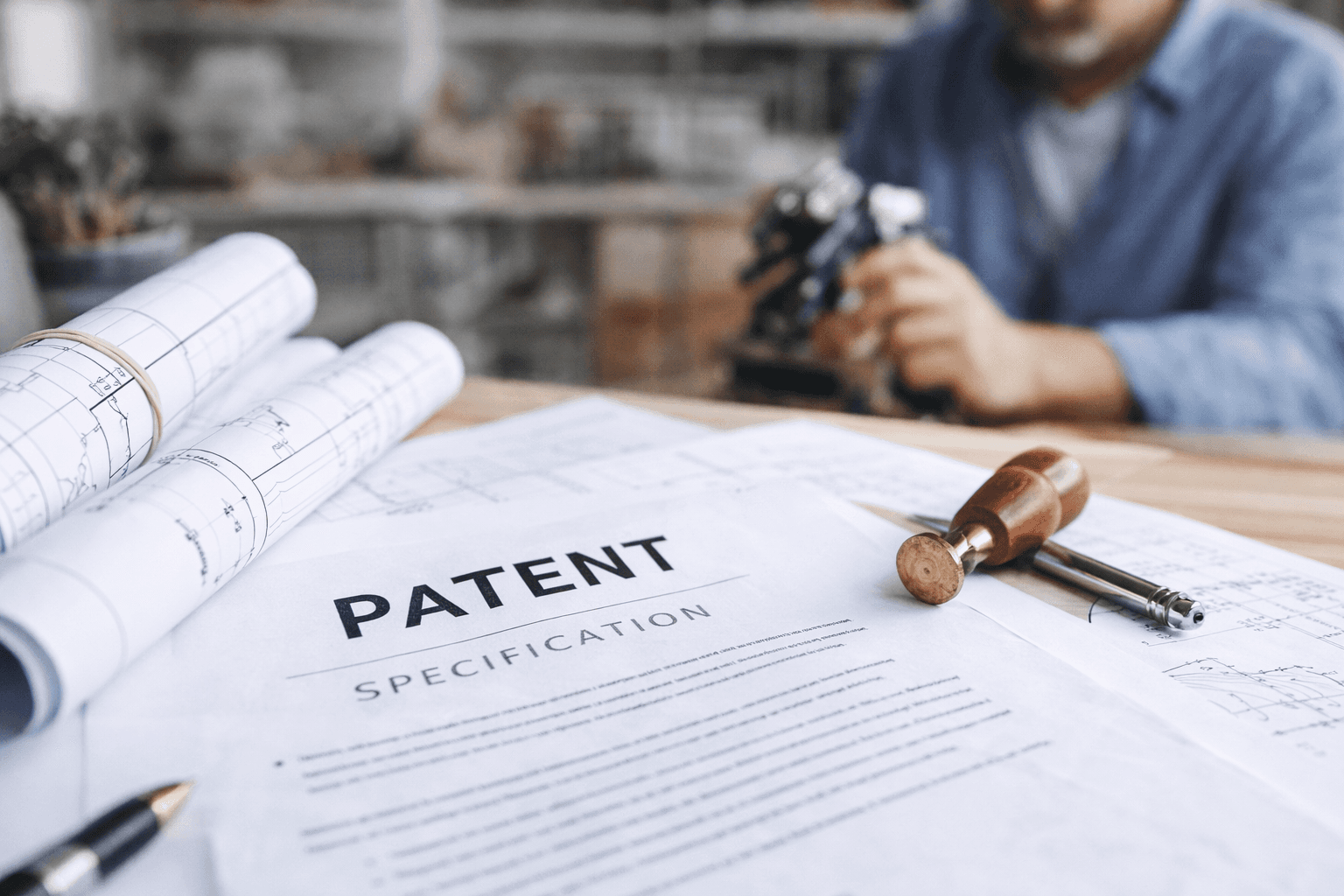
When I started working with patents, I thought I understood them. I was wrong.
My first real patent file didn’t come from a big company or a well-funded startup. It came from someone with an idea, a rough prototype, and a lot of hope. What struck me immediately wasn’t the technolog; it was how much that person was trusting the process.
That experience changed how I see patent law.
Very early on, I learned that a patent isn’t about documenting what you’ve already built. It’s about protecting what others shouldn’t be allowed to build after you. That difference matters more than most people realise. Many inventors want to describe their product in detail, but in patent drafting, the real skill lies in identifying the inventive step and framing it in a way that survives scrutiny.
Working in the Indian patent system teaches you patience. Office actions come. Objections are raised. Prior art surfaces. And this is where strategy separates strong patents from weak ones. A rushed response or a poorly worded amendment can quietly weaken your patent long before it’s ever tested.
Another thing I learned the hard way is timing. Filing too late can kill novelty. Filing too early can leave your claims underdeveloped. I’ve seen founders casually present their ideas at events or online; not knowing they’ve already damaged their chances of getting a valid patent in India.
CONCLUSION
Today, when someone asks me why patents are important, I don’t talk about certificates or grants. I talk about control. A well-drafted, well-prosecuted patent gives you leverage; with competitors, investors, and the market.
That’s what patents are really about.